The Future of Event Access Control Systems
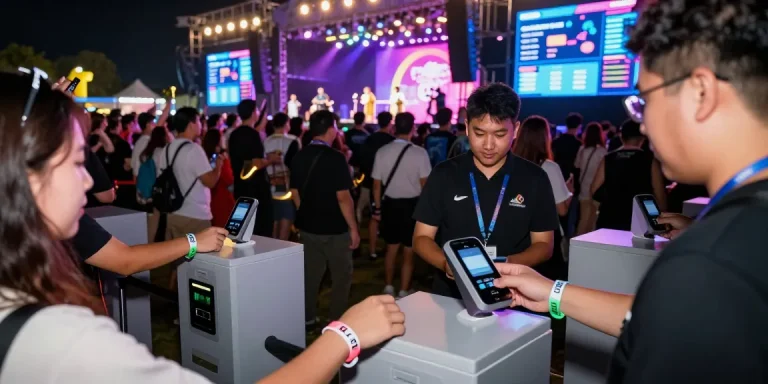
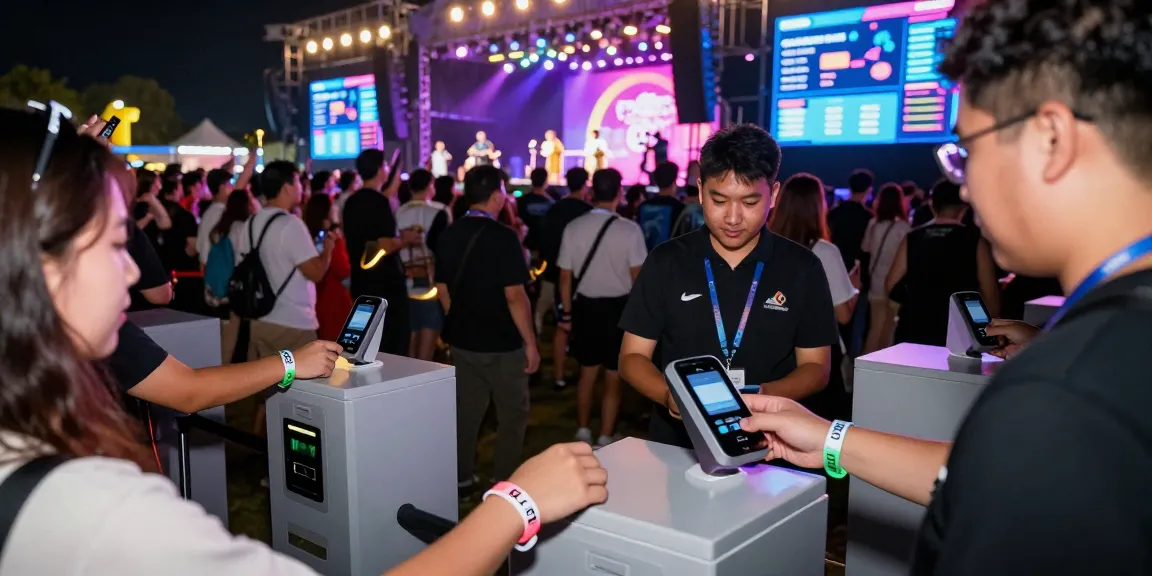
As the landscape of event management continues to evolve, so does the need for efficient and innovative solutions in access control. Implementing technology that not only streamlines entry but also enhances attendee experience is becoming paramount. Among these solutions, NFC wristbands stand out as a revolutionary option. With their ability to facilitate rapid access, manage real-time data, and provide seamless cashless payment experiences, they represent a significant leap forward for event organizers. When exploring options, control de acceso con pulsera con chip provides comprehensive insights into how such technology can elevate any event.
Understanding NFC Technology
Near Field Communication (NFC) technology enables wireless communication between devices over short distances, usually up to 10 centimeters. This technology is integrated into wristbands or cards and is becoming increasingly popular in festivals, conferences, and various events. NFC wristbands can store a wealth of attendee information, including payment details, access permissions, and even personal identification, all securely linked to a central database.
Benefits of Using NFC Wristbands
- Fast Access Control: NFC wristbands can significantly reduce wait times at entry points. With the capability to manage over 2,000 entries per hour, these wristbands ensure a smooth and efficient check-in process.
- Enhanced Security: With encryption features, NFC wristbands provide a level of security that traditional ticketing methods often lack, preventing unauthorized access.
- Real-time Insights: Event organizers can monitor attendee traffic and gather data in real-time, allowing for immediate adjustments and improved crowd management.
- Cashless Transactions: NFC wristbands enable contactless payments, which have been shown to increase sales by streamlining the purchasing process.
Real-Time Data Management for Events
The ability to manage data in real-time is one of the most critical aspects of modern event management. Through centralized cloud panels, organizers can track entry points, monitor crowd levels, and analyze attendee behavior live. This capability not only improves logistics but also enhances the overall experience for attendees. For instance, knowing which areas are congested allows organizers to redirect foot traffic and alleviate bottlenecks, promoting a better flow throughout the venue.
Strategies for Implementation
Implementing NFC wristbands and access control systems requires careful planning and collaboration with technology partners. Success hinges on understanding both the technology and the specific needs of the event.
Choosing the Right Technology Partner
Selecting an experienced technology partner is crucial. Companies that specialize in NFC solutions should offer extensive support, from initial planning to on-site assistance during the event. They should also understand the nuances of your particular event type, be it a concert, festival, or corporate gathering, and offer tailored solutions accordingly.
Integrating Access Control with Event Logistics
Effective integration of access control systems and overall event logistics is essential for smooth operations. It involves coordinating with security personnel, ticketing staff, and entry point management to ensure everyone is aligned. Training staff on how to use the NFC technology effectively before the event can also prevent potential issues during peak times.
Monitoring Crowd Density Effectively
Monitoring crowd density is vital for maintaining safety and enhancing the experience. Utilizing the real-time data features of NFC wristbands allows organizers to visualize attendee numbers in various areas of the venue and take swift action if certain zones become overcrowded. This proactive approach can prevent emergencies and enhance overall security.
Maximizing Revenue with Cashless Solutions
Transitioning to cashless solutions not only streamlines operations but also has a direct impact on revenue generation. Events that implement cashless systems report increased sales and reduced operational costs.
Impact of Contactless Payments on Sales
Cashless payments have revolutionized how transactions occur during events. By allowing attendees to pay with their NFC wristbands, event organizers can enhance the purchasing process, leading to increased vendor sales. Research shows that events using contactless payments see an uplift in sales by up to 30%, as attendees can complete transactions quickly, spending less time in queues and more time enjoying the event.
Strategies for Automatic Reloads
Implementing automatic reload options on NFC wristbands can optimize payment experiences. Attendees can set predefined limits to recharge their wristbands as their balances run low, ensuring seamless transactions throughout the event. This strategy not only enhances user satisfaction but also encourages higher spending.
Analyzing Vendor Performance with Data
After an event, the data collected via NFC wristbands can provide valuable insights into vendor performance. Organizers can analyze sales data to understand which vendors performed best, which items were most popular, and where adjustments can be made for future events. This data-driven approach allows for continual improvement and maximizes revenue potential for future instances.
Case Studies of Successful Implementations
To better understand the practical benefits of implementing NFC wristbands and access control systems, let’s examine a few case studies that highlight their effectiveness.
SoundWave Festival: A Case Study
At SoundWave Festival, NFC wristbands were used to manage the entry of 40,000 attendees. Organizers reported that the system was impeccable, eliminating long wait times at entry points and allowing for a seamless festival experience. The research collected during the event also provided feedback on crowd management and vendor sales, enabling organizers to optimize logistics for future festivals.
TechCon Global’s Transition to Cashless
TechCon Global transitioned to a cashless system using NFC wristbands, simplifying their payment process significantly. Before the shift, vendor reporting took days; however, with the new system, they could export complete data to their analytics dashboard within seconds after closing the event. This transition not only saved time but also provided actionable insights into vendor performance and attendee spending habits.
Lessons Learned from Major Events
Major events adopting NFC technology have universally reported improvements in both attendee experience and operational efficiency. Key lessons learned include the importance of thorough staff training, the need for a robust back-end infrastructure to support real-time data management, and the value of having a flexible system that can adapt to various event types and sizes. Such insights pave the way for continuous improvement in event management.
Looking Ahead: Trends for 2026 and Beyond
As we look toward 2026, the event management industry is set to undergo further transformations. Emerging technologies and changing attendee expectations will shape the future of access control and event logistics.
Emerging Technologies in Event Management
Advanced technologies such as AI and machine learning are expected to play a larger role in event management. These technologies can enhance data analysis, predict attendee behavior, and improve the overall event experience. Future systems may incorporate facial recognition and biometric authentication to ensure security and convenience during events.
Adapting to Attendee Expectations
Today’s attendees expect high levels of efficiency and personalization. As a result, event organizers must continuously adapt their strategies, ensuring that technology like NFC wristbands provides a seamless experience. Personalization of services, from food preferences to communication styles, will become more commonplace.
Future Innovations in Access Control
The continuous evolution of access control technologies will likely see innovations such as integrated mobile apps that allow attendees to manage their wristbands, view schedules, and connect with other attendees in real-time. These innovations will further enhance engagement and satisfaction.
What Are the Risks?
While the benefits of NFC wristbands are significant, there are also risks to consider. Data security is paramount, and events must implement strong encryption and secure data management practices to protect attendee information. Additionally, reliance on technology means that reliable backup systems are essential to mitigate potential failures during high-stakes events.
What Are the Key Benefits?
The key benefits of using NFC wristbands for access control and event management include improved efficiency, enhanced attendee experience, increased sales through cashless payments, and valuable data insights. These advantages position event organizers to respond dynamically to challenges and optimize future operations.
How Does NFC Technology Work?
NFC technology operates via electromagnetic fields that enable communication between devices when they are placed in proximity. This allows for quick data transfer and has made it a preferred choice for access control in events, ensuring rapid attendee check-in and seamless transactions.
What Are the Costs Involved?
The costs of implementing NFC wristbands can vary widely depending on the scale of the event, the number of attendees, and the specific technology solutions chosen. However, many organizers find that the return on investment is substantial due to increased efficiency and revenue generation.
How to Choose the Right System?
Choosing the right NFC access control system involves assessing the unique needs of your event. Consider factors such as the expected number of attendees, venue layout, technology integration capabilities, and vendor support. It is essential to conduct thorough research and possibly engage in demonstrations before making a decision.
What Is the Future of Event Access Control?
As events continue to grow in scale and complexity, the future of event access control will likely feature even more sophisticated technologies. Emphasizing security, efficiency, and user experience will remain central to the advancements in this sector, as organizers strive to meet the evolving expectations of attendees.
About the Author